
Charlotte has grown fast. New restaurants open weekly. Light rail lines stretch farther. High-rises continue to redefine the skyline.
But for many homebuyers, one thing matters more than square footage or even school districts: walkability.
Being able to step outside your front door and grab coffee, meet friends for dinner, walk to a Panthers game, or hop on the light rail changes how you live. It creates rhythm. Energy. Simplicity.
If you’re looking for a lifestyle where the car becomes optional, these are the most walkable neighborhoods in Charlotte.
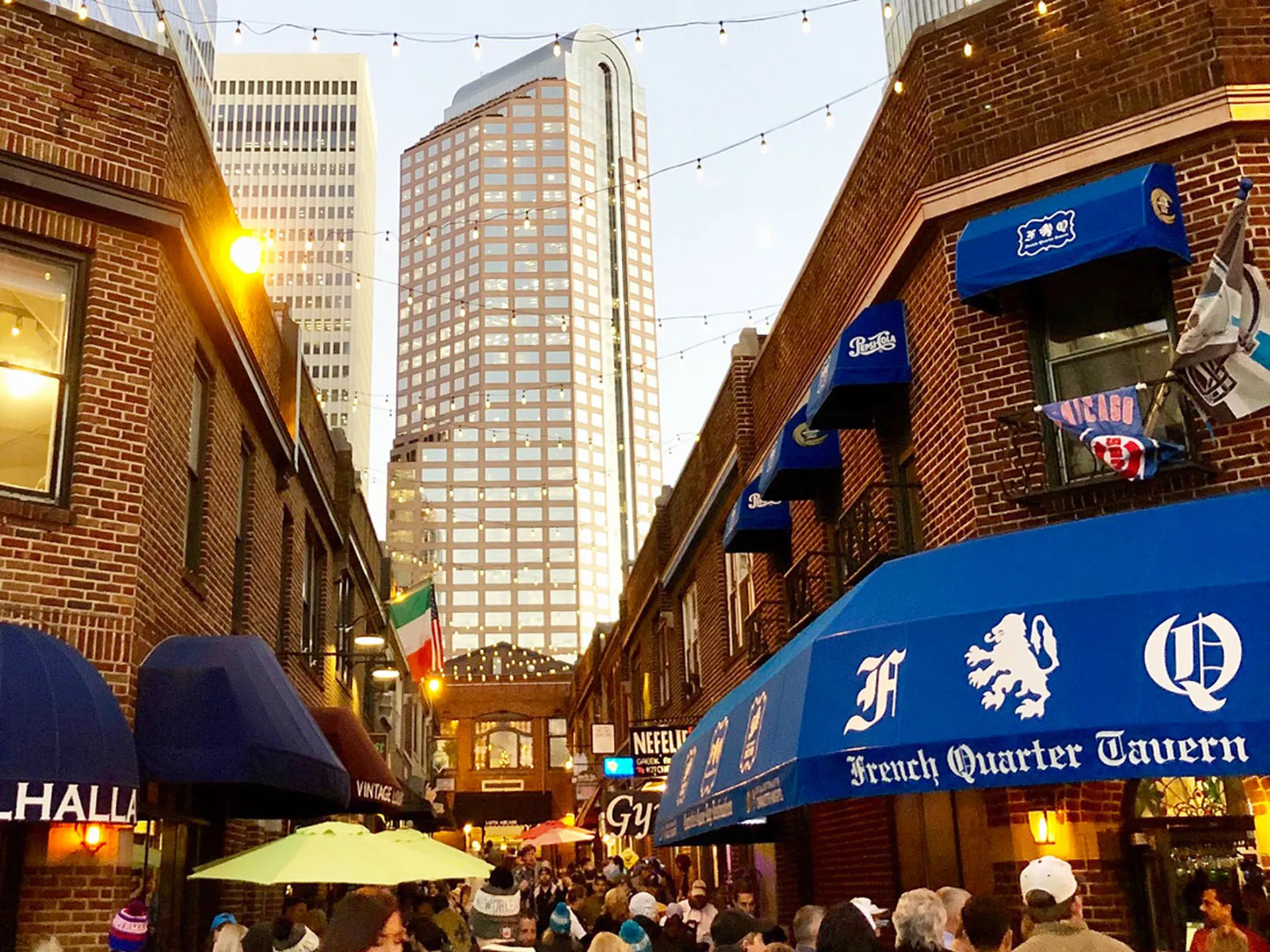
Image by Axios
Uptown Charlotte
If you want peak walkability, Uptown is it.
This is Charlotte’s true urban core. You can walk to corporate offices, luxury condos, rooftop bars, professional sports games, and cultural institutions within minutes.
Why it’s walkable:
-
Dense residential and commercial development
-
Light rail access at multiple stations
-
Grocery stores, fitness studios, and parks within blocks
-
Sidewalk infrastructure built for pedestrians
Uptown is ideal for professionals who want to live where they work and skip the commute entirely. It’s also perfect for buyers who love the buzz of city life and want everything at their doorstep.
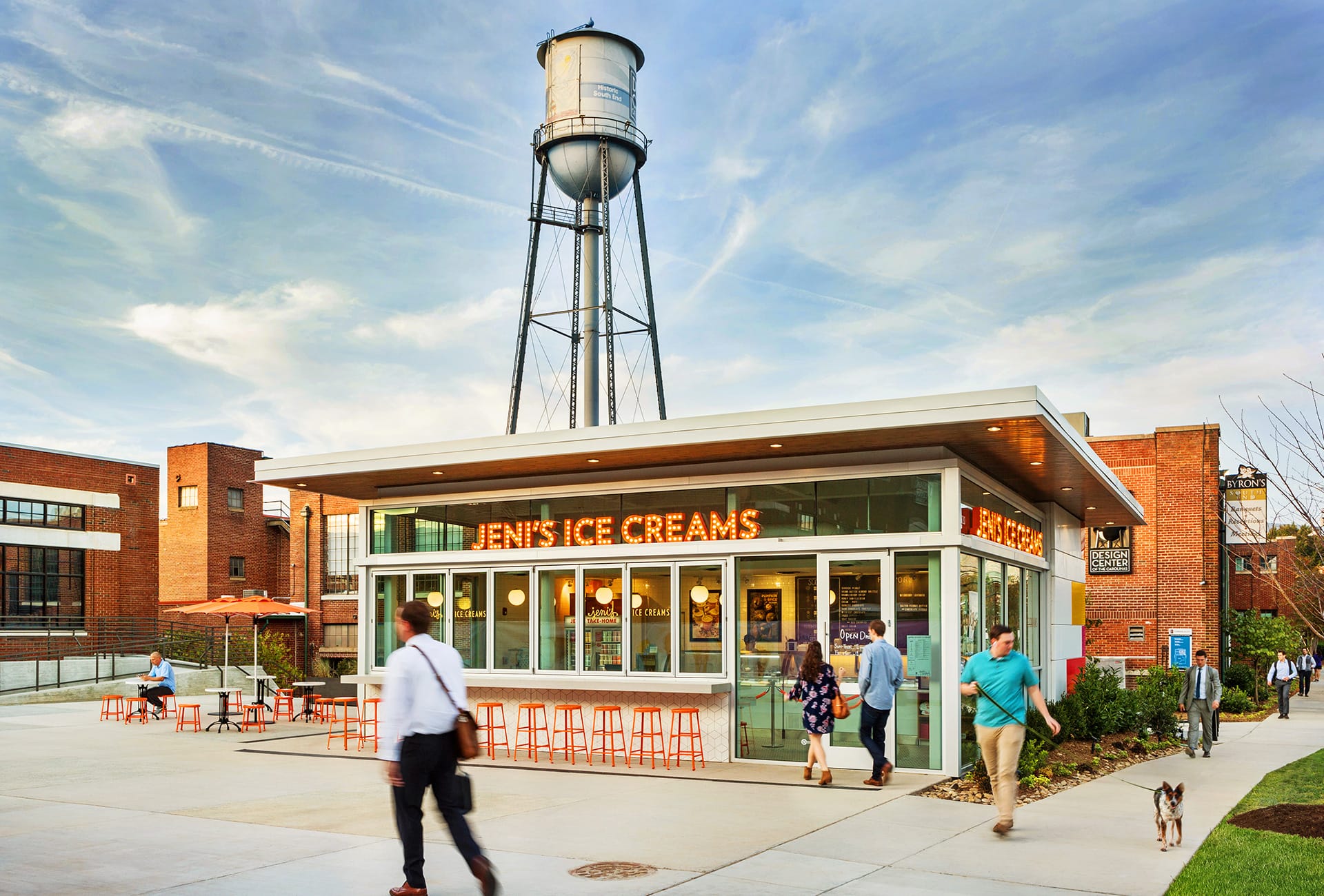
Image by Land Design
South End
South End might be Charlotte’s most lifestyle-driven neighborhood.
Centered around the Rail Trail and the light rail, this area blends modern apartment living, townhomes, breweries, coffee shops, and art galleries into one highly walkable corridor.
Why it’s walkable:
-
The Rail Trail connects dozens of restaurants and shops
-
Direct light rail access to Uptown
-
Mixed-use developments designed for pedestrians
-
Sidewalk-heavy streets with active retail
Young professionals love South End because everything feels connected. You can walk to dinner, walk to a workout class, and walk home without ever getting in your car.
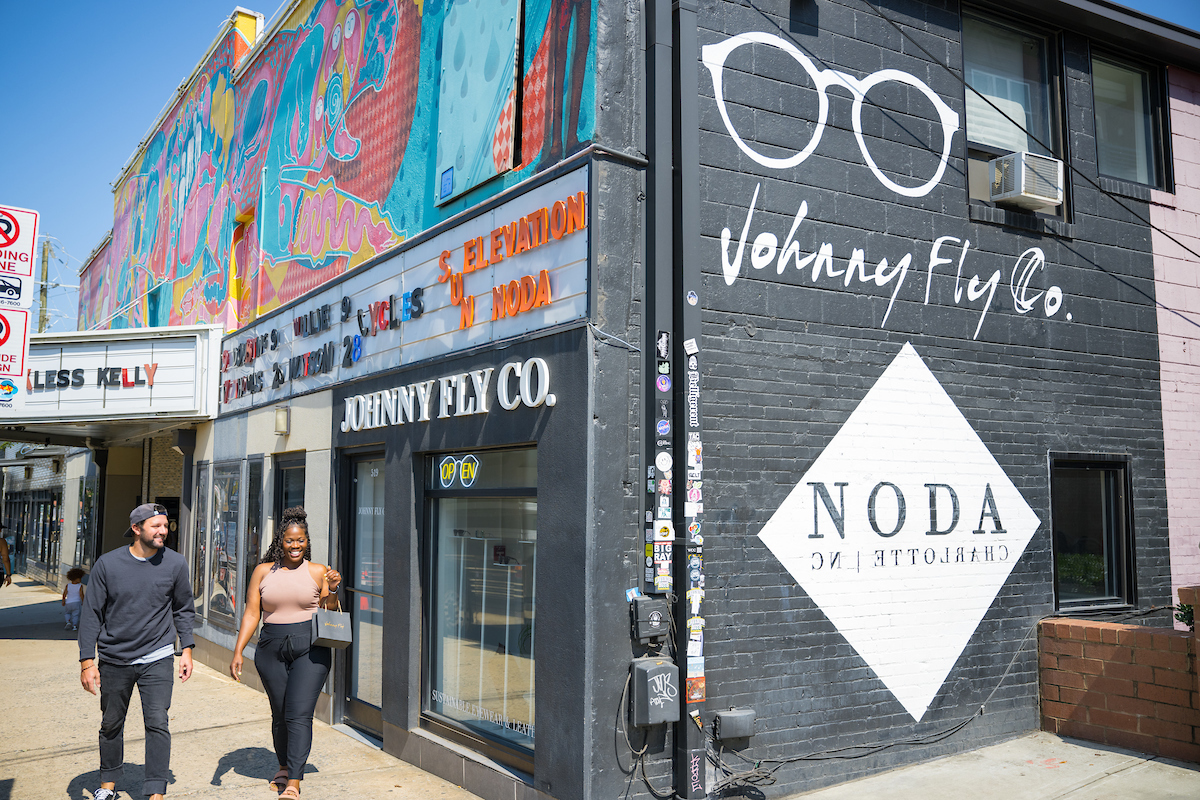
Image by Charlotte’s Got A Lot
NoDa (North Davidson)
NoDa is Charlotte’s arts district, and its walkability is part of its charm.
Murals line the streets. Music spills out of venues. Independent restaurants and breweries cluster along North Davidson Street.
Why it’s walkable:
-
Compact entertainment district
-
Light rail station in the center of the neighborhood
-
Strong small-business culture
-
Sidewalk-friendly main corridor
If you value creativity and local culture, NoDa offers a highly walkable lifestyle with a little more personality and grit than Uptown.
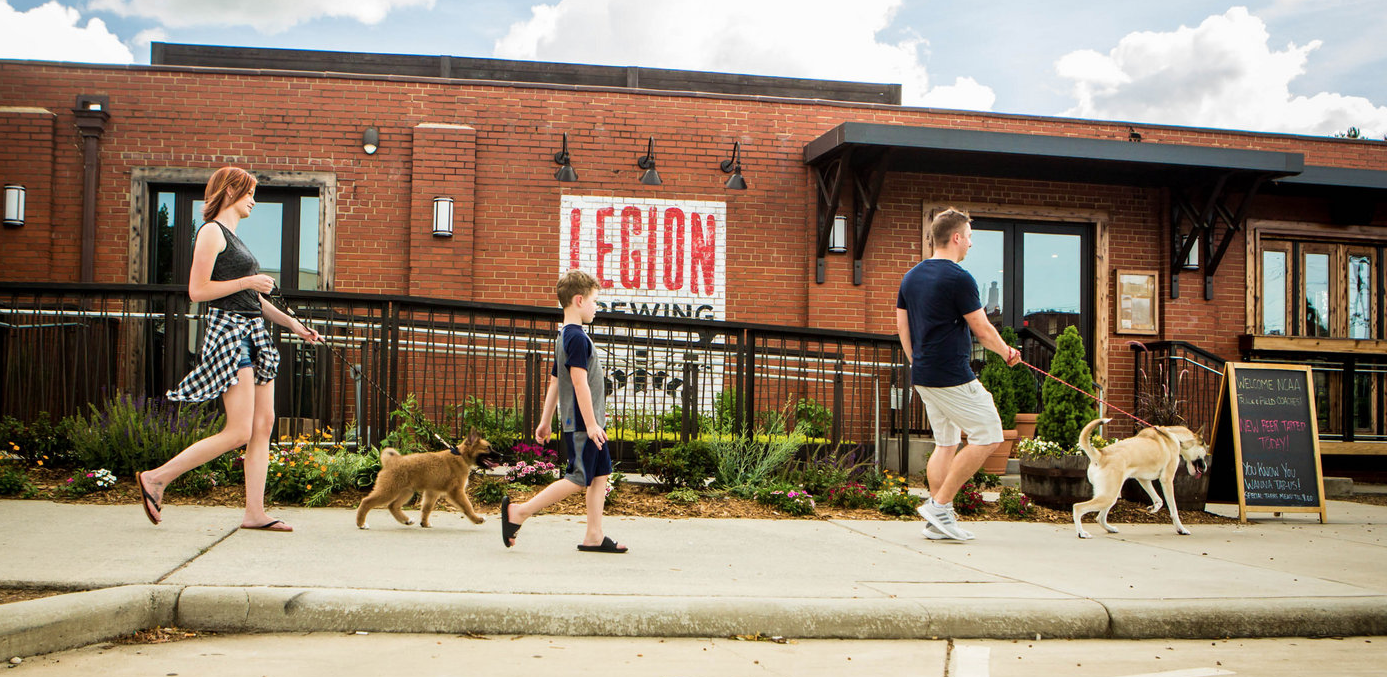
Image by PlazaMidwood.org
Plaza Midwood
Plaza Midwood blends historic charm with an energetic restaurant and nightlife scene.
You’ll find older bungalows and craftsman homes within walking distance of some of Charlotte’s most popular dining spots along Central Avenue.
Why it’s walkable:
-
Tight residential blocks near retail corridors
-
Sidewalk access to restaurants, bars, and coffee shops
-
Community-driven small business environment
This neighborhood feels a little less polished than South End and a little more eclectic. If you want character and convenience, Plaza Midwood delivers.
What Makes a Neighborhood Truly Walkable?
Walkability isn’t just about sidewalks. It’s about proximity, density, and daily convenience.
The most walkable neighborhoods typically offer:
-
Grocery stores within a half-mile
-
Restaurants and coffee shops clustered together
-
Public transit access
-
Parks and green space
-
Mixed-use development
Charlotte continues to evolve, and as development expands along the light rail corridor, walkable pockets are growing.
Is Walkability Right for You in Charlotte?
Walkable living often means:
-
Smaller homes or condos
-
Higher price per square foot
-
Less reliance on parking and driving
But it also means:
-
More spontaneous experiences
-
Healthier daily routines
-
Stronger community interaction
-
Higher long-term resale demand
If your ideal Saturday involves walking to brunch, strolling to a brewery, and ending the night at a local spot without moving your car, one of these neighborhoods might be your fit.